
Published: 26 October 2026 · Last updated: 26 October 2026
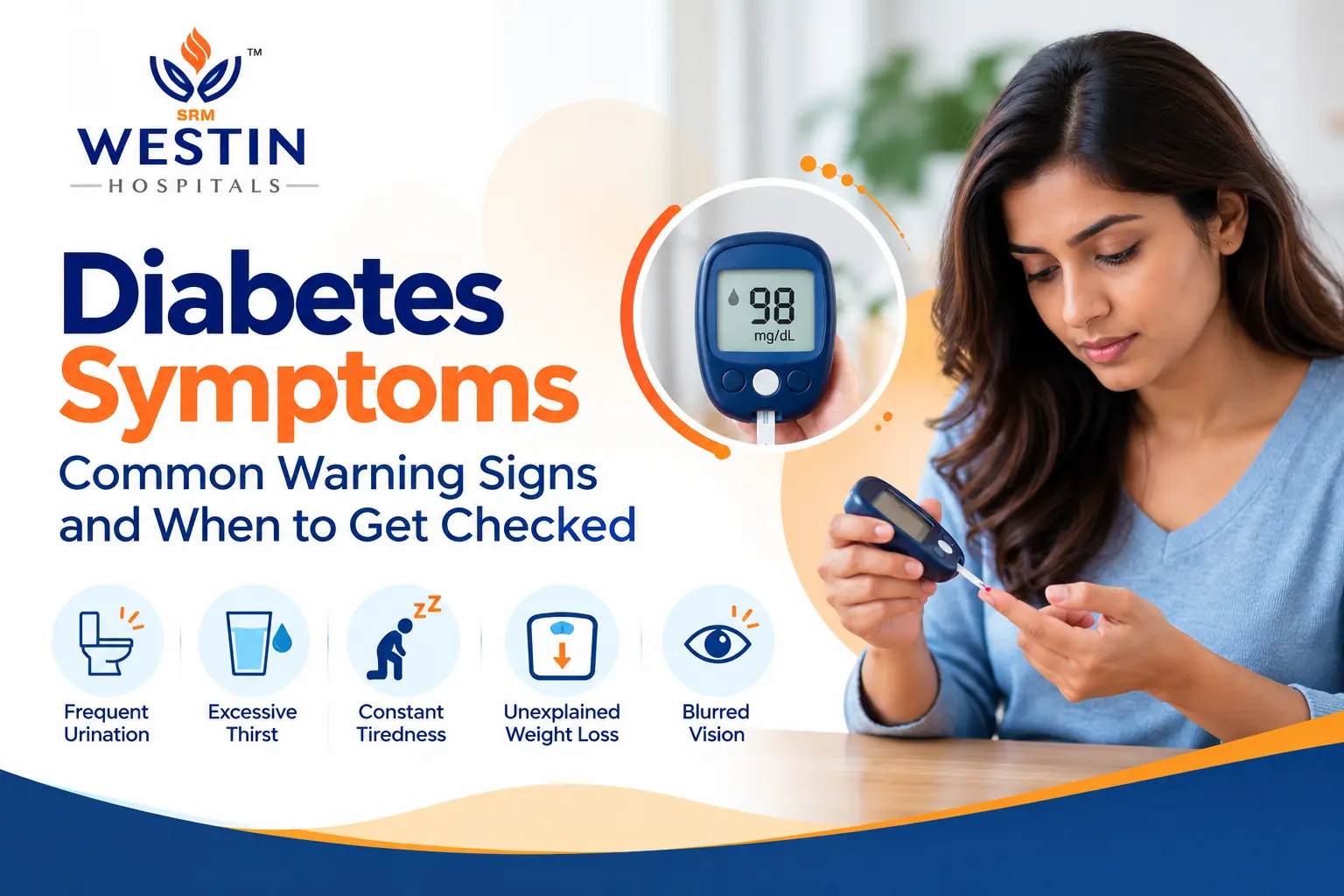
Common diabetes symptoms include frequent urination, excessive thirst, unusual hunger, constant tiredness, blurred vision, unexplained weight loss and slow-healing wounds. Type 2 diabetes may not cause any apparent symptoms. Type 1 diabetes can cause sudden symptoms. If you have diabetes it will need to be confirmed with a blood test.
Diabetes symptoms are not always easy to recognise. You may feel tired even after sleeping well, wake up several times at night to urinate, or feel thirsty more often than usual.
These changes can happen for many reasons. However, when several symptoms occur together or continue without an obvious explanation, high blood sugar may be one possible cause.
Knowing the signs of diabetes can help you recognise when to seek medical advice.
Diabetes is a condition in which blood glucose, also called blood sugar, becomes too high.
The body uses a hormone called insulin to help glucose move from the blood into the cells, where it provides energy.
In diabetes, the body may not produce enough insulin or may not use it properly.
As blood sugar increases, the kidneys may remove more glucose through urine. This can lead to frequent urination and increased thirst.
At the same time, the body's cells may not get the energy they need, which can contribute to tiredness and increased hunger.
This explains why there are many common symptoms of having a high blood sugar level.
Diabetes can affect people differently. Some symptoms appear gradually, while others become noticeable within a short period.
Needing to urinate more often than usual is one of the common warning signs of diabetes.
When blood sugar becomes high, the kidneys work to remove some of the extra glucose through urine. More water leaves the body along with it.
You may notice that you:
Frequent urination can also happen because of urinary infections, bladder conditions and other health problems. Our guide to common causes of frequent urination explains these possibilities. It does not automatically mean diabetes.
Excessive thirst often occurs along with frequent urination.
As the body loses more fluid, you may feel the need to drink water repeatedly.
Some people also notice a dry mouth, especially when waking up or after physical activity.
If you are drinking more water than usual but still feel thirsty, particularly along with increased urination, it is worth getting checked.
Unusual hunger can sometimes be related to diabetes.
Although there may be plenty of glucose in the bloodstream, the body's cells may not be able to use it effectively for energy.
This can leave you feeling hungry again even after eating.
However, increased hunger can also occur because of irregular meals, physical activity or other medical conditions.
Feeling tired is common, but ongoing fatigue without a clear reason deserves attention.
Some people with diabetes experience low energy because their bodies are not using glucose efficiently.
You may feel exhausted after routine activities or find it difficult to concentrate at work.
Tiredness alone does not confirm diabetes. It becomes more relevant when accompanied by thirst, frequent urination or unexpected weight changes.
Losing weight without trying can sometimes be a sign of diabetes.
When the body cannot use glucose properly, it may start breaking down stored fat and muscle for energy.
This can cause weight loss even when your appetite remains normal or increases.
Unexplained weight loss is especially important when it occurs with increased thirst, frequent urination or weakness.
These symptoms should be assessed promptly, particularly if they develop quickly.
High blood sugar can temporarily affect fluid levels in the eye and change how clearly you see.
Some people notice that words appear blurry or that their vision becomes less clear at certain times.
Blurry vision may improve when blood sugar is managed, but it can also occur because of other eye conditions.
Persistent or recurring vision changes should be medically evaluated. Sudden major vision loss needs emergency assessment.
Some signs become noticeable only after blood sugar has remained high for a longer period.
Slow-healing wounds: Cuts, sores or small injuries may take longer to heal. High blood sugar can affect circulation, immune function and wound healing.
Frequent infections: Some people experience repeated skin infections, urinary tract infections or fungal infections. High blood sugar can contribute to an environment in which certain infections occur more easily.
Tingling or numbness: Long-term high blood sugar can damage nerves. This may cause burning, tingling, reduced sensation or numbness, especially in the feet.
These symptoms can have other causes, too. A doctor will consider your medical history and examination findings before deciding what tests are needed.
The main symptoms of type 1 and type 2 diabetes can be similar, but the way they develop may differ.
| Type 1 Diabetes | Type 2 Diabetes |
|---|---|
| Symptoms may appear quickly, over days to weeks | Symptoms often develop gradually over months or years |
| Marked thirst, frequent urination and weight loss may occur | Tiredness, thirst, infections or vision changes may be noticed |
| Can develop at any age, including childhood | More common in adults, but can also affect younger people |
| Symptoms can become severe without prompt treatment | Some people have no obvious symptoms |
Both conditions require medical assessment and appropriate management.
Yes. Some people with type 2 diabetes feel completely normal during the early stages.
They may continue their usual activities without noticing significant thirst, tiredness or weight changes.
In some cases, diabetes is identified during a routine health check or while investigating another problem.
This is why feeling healthy does not always mean blood sugar is within the normal range.
People with a family history of diabetes or other health risks may need blood sugar screening even when they have no symptoms.
Diabetes can also affect children and teenagers.
Type 1 diabetes sometimes develops quickly, so recognising unusual changes is important.
Parents may notice:
If these changes develop over a short period, seek prompt medical assessment.
Vomiting, abdominal pain, unusual drowsiness or deep, rapid breathing alongside these symptoms requires emergency care.
Consider consulting a doctor if you have ongoing excessive thirst, repeated nighttime urination, unexplained weight loss, blurred vision or unusual tiredness.
A medical assessment is particularly important when two or more symptoms occur together.
A doctor may recommend blood glucose tests or an HbA1c test depending on your symptoms and medical history.
The results help determine whether your blood sugar is within the expected range, elevated or consistent with diabetes. Symptoms alone cannot establish a diagnosis.
If you have received a borderline blood sugar result and want to understand what it means, read our guide on prediabetes symptoms, HbA1c levels and treatment.
Most diabetes symptoms can be evaluated through a scheduled medical consultation. However, certain symptoms may indicate a serious complication that requires immediate treatment.
Seek emergency medical care if someone experiences:
These can be warning signs of diabetic ketoacidosis, a dangerous condition that can occur when the body does not have enough insulin.
Do not wait for a routine appointment if these symptoms develop.
If you are concerned about possible diabetes symptoms, the next step is to arrange a medical evaluation.
Before your appointment, it may help to note when the symptoms started, whether they have been getting worse and whether close family members have diabetes.
Do not assume you have diabetes based on one symptom or a home blood sugar test.
Your doctor will be able to discuss the correct treatment and monitoring required.
Persistent thirst, repeated urination, unexplained weight loss or other high blood sugar symptoms may need a medical evaluation.
Patients can consult the General Medicine Department at Westin Hospitals, Madhapur, Hyderabad, for an initial assessment.
The Endocrinology Department provides specialist care for diabetes and other hormone-related conditions.
A consultation can help determine whether blood sugar testing or further evaluation is needed.
The early signs of diabetes include frequent urination, excessive thirst, unusual tiredness, increased hunger, blurred vision and unexplained weight loss. Some people may also notice slow-healing wounds or frequent infections. These symptoms can develop gradually, especially in type 2 diabetes.
Yes. Type 2 diabetes can develop slowly without obvious symptoms. Some people discover they have diabetes during routine blood tests. Even without noticeable diabetes symptoms, screening may be important if you have a family history or other risk factors.
High blood sugar symptoms such as excessive thirst, frequent urination and tiredness should be evaluated if they persist. Repeated vomiting, severe abdominal pain, deep or rapid breathing, fruity-smelling breath or confusion may indicate a serious complication and require emergency medical care.
The main signs of diabetes are similar in children and adults. However, type 1 diabetes can develop quickly, especially in children, causing increased thirst, frequent urination, unexpected weight loss and tiredness. Type 2 diabetes symptoms often develop more gradually.
Diabetes and prediabetes cannot be reliably distinguished by symptoms alone. Prediabetes usually causes no noticeable symptoms, while diabetes may cause increased thirst, frequent urination and unexplained weight loss. Blood tests are needed to identify the condition.
Frequent urination, excessive thirst, unexplained weight loss or constant tiredness may be signs of high blood sugar. Even if you feel healthy, screening may be important if you have a family history of diabetes or other risk factors.
Take the first step toward understanding your blood sugar levels. Consult the doctors at Westin Hospitals, Madhapur, Hyderabad, for an assessment. Your doctor may recommend fasting blood glucose or HbA1c testing based on your health needs.